
PO Mismatch & Invoice Rejection FAQ: What Automation Actually Fixes
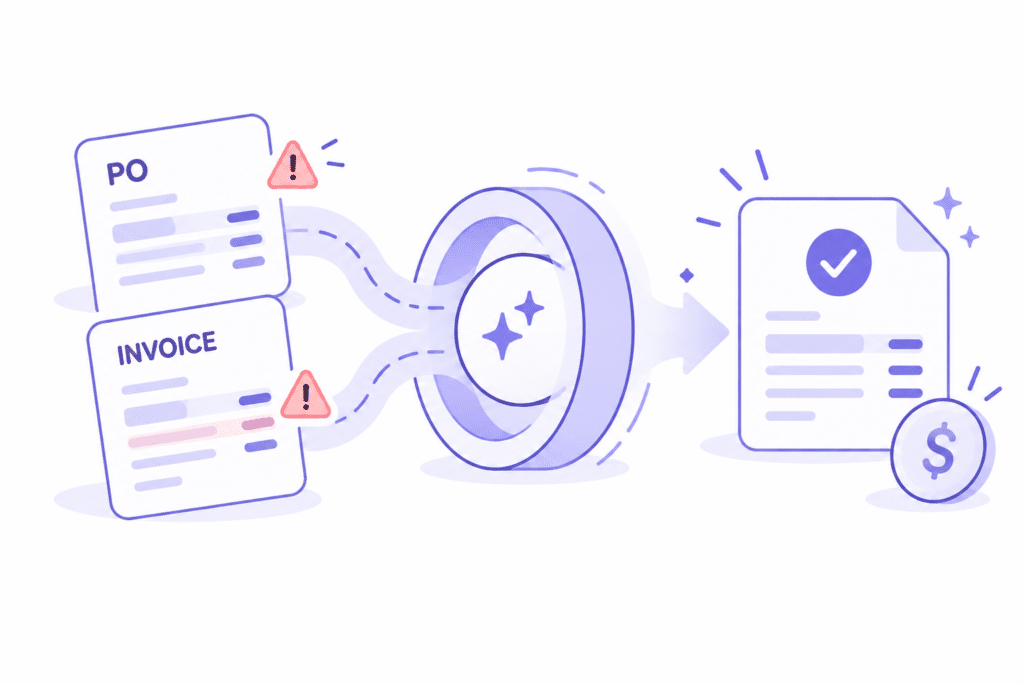
How much can AI invoice automation actually reduce portal rejections? By a meaningful margin, automation handles each portal’s specific requirements rather than treating all portals the same. Cloudinary, submitting across 41 different customer AP portals, cut invoice rejections by 23.5% after automating submissions with Monto, with each portal’s formatting and field requirements handled automatically instead […]
Your Customers’ Year-End Invoice Cutoff Comes Before December 31
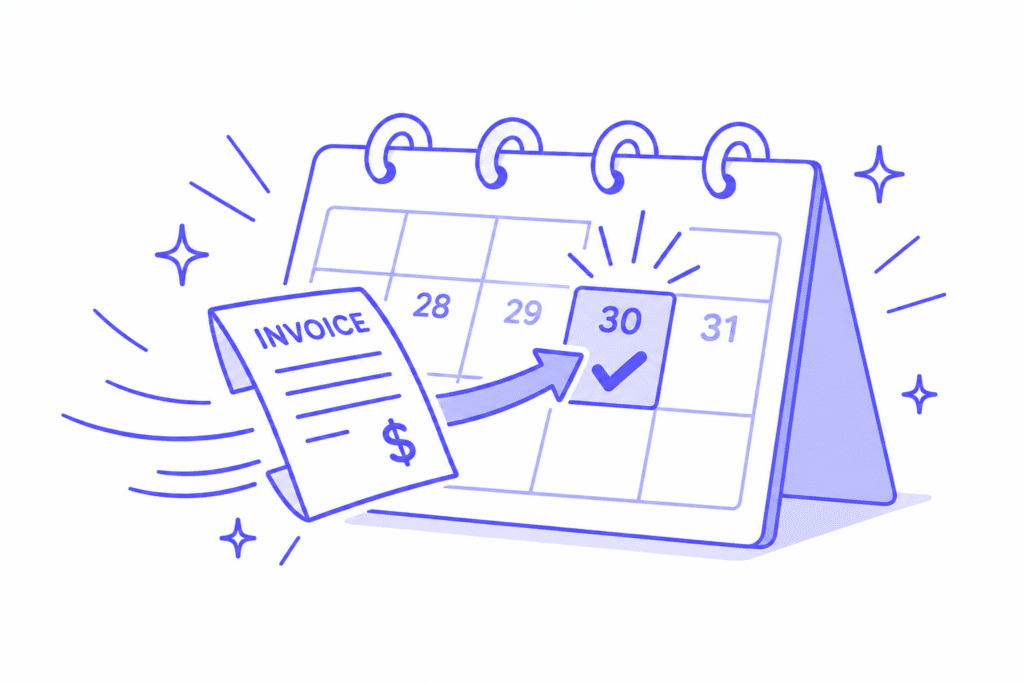
A year-end invoice cutoff is the last moment your customer’s AP team will accept, approve, and post an invoice against the fiscal year that’s ending. Miss it, and an invoice you could have collected in December waits for a new purchase order, a new approval, and a new payment run. Now it’s January or February […]
What Is Invoice-to-Cash, and Where Does the Cash Get Stuck?
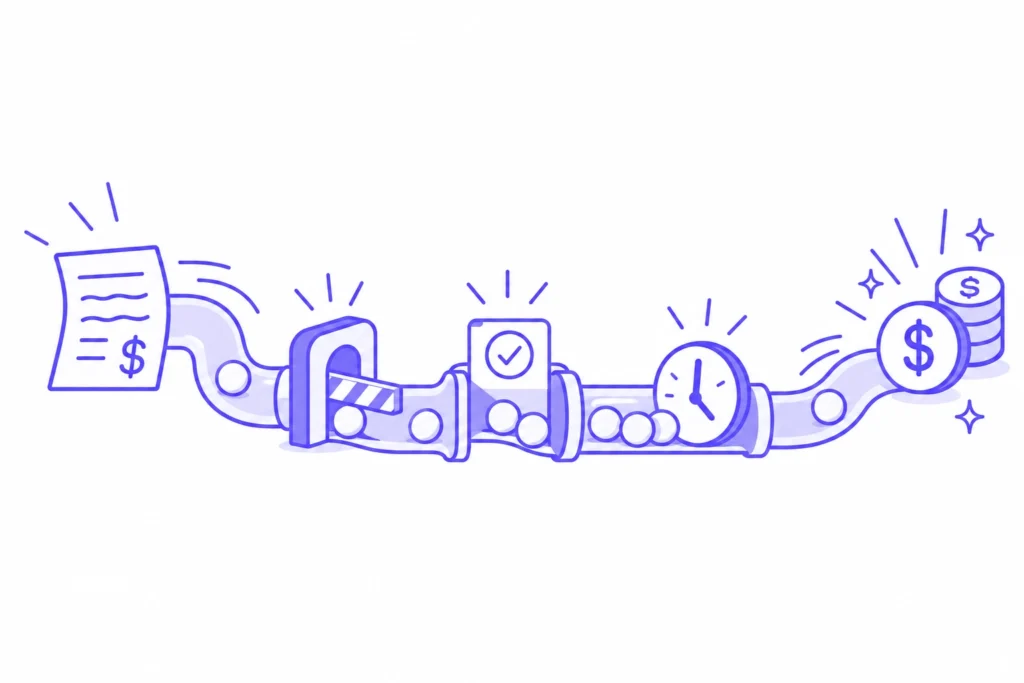
Invoice to cash covers everything that happens between issuing an invoice and applying the payment in your ERP. Most definitions describe it as a handful of tidy stages. If your biggest customers pay through customer AP portals, you already know the real cycle has more moving parts than that, and most of them sit inside […]
Maybe AI Shouldn’t Replace the Collector. Maybe It Should Give Them Their Customer Back.

Will AI replace accounts receivable jobs? It’s a growing concern. Finance is certainly not immune, and Order-to-Cash is an obvious target. Credit, collections, and accounts receivable contain an enormous amount of repetitive work, so it’s easy to imagine a future where AI in accounts receivable handles much of what people do today. But I think […]
Days to Invoice: The Metric Your Aging Report Can’t See
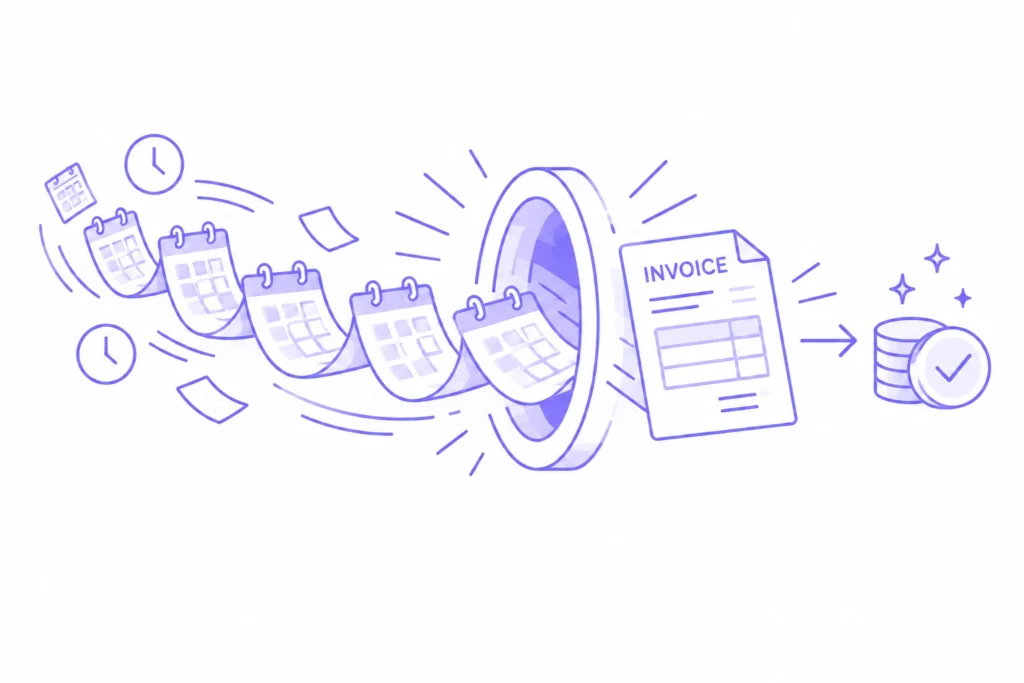
Days to invoice is the number that your aging report never shows you. For most finance teams, it’s where a surprising chunk of the cash cycle now sits. Start with the report itself, because it earns its reputation. An accounts receivable aging report shows you which customers are drifting and where collection risk is building. […]
What Is Autonomous Finance? The 4 Stages That Separate It From Automation

Autonomous finance is a financial function in which the system decides what to do when conditions change, rather than running a workflow someone configured in advance. Automated is the rung below it: reliable, repeatable, and only as current as the last time a person updated it. That distinction sounds academic until you apply it to […]
The Order to Cash Metrics That Tell You Where Your Days Actually Go
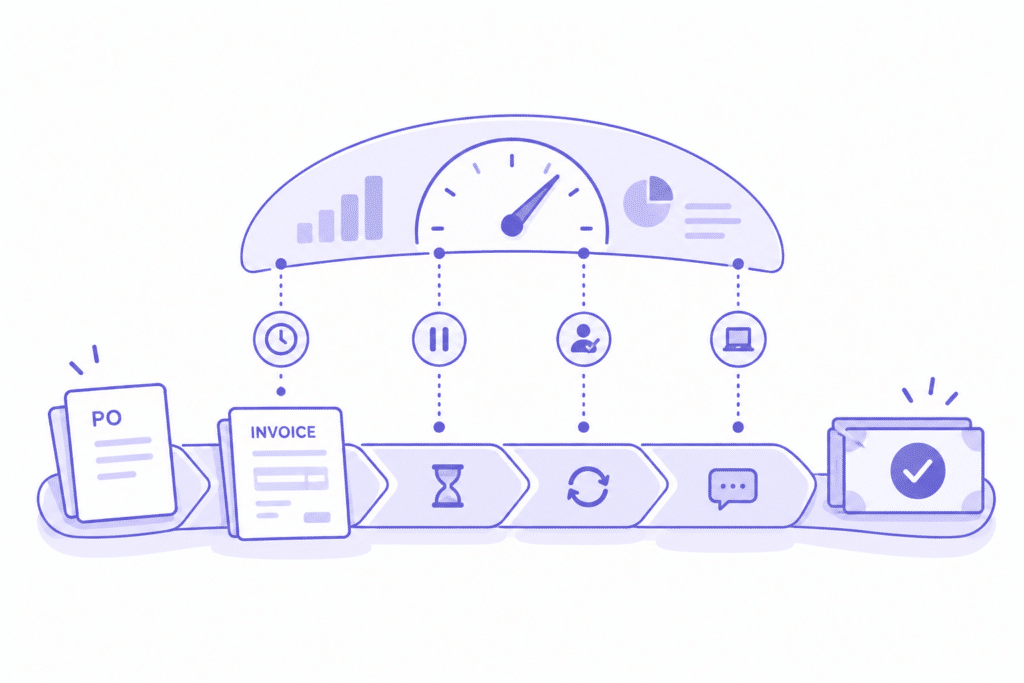
Your order-to-cash metrics indicate that the days sales outstanding (DSO) is 52 days. They do not tell you where those 52 days went. That is the problem with most order-to-cash metric lists: they stop at DSO, the collection effectiveness index, and aging buckets. Each of those describes a finished cycle rather than the stages inside […]
What Your AI Finance Transformation Can Reach Next

Your AI finance transformation reached the close before it reached the cash. That isn’t a criticism, and it’s probably the most useful clue you have about what to do next. Think about how the last year actually went. Your close runs shorter than it did, your forecast takes an afternoon instead of a week, and […]
The Order to Cash Workflow Is Missing a Step

Ask five finance teams to map their order to cash workflow, and you’ll get the same five stages back. A customer places an order, credit reviews it, you fulfill it, you invoice it, then collections chases the payment. That’s the model in every enterprise resource planning (ERP) process map and most consulting decks. It’s also […]
Why Supplier Onboarding Decides When You Get Paid

The contract is signed, and everyone has moved on to the next deal, but your new customer pays through Coupa and hasn’t set you up inside it yet, so your first invoice has nowhere to go. Nobody has rejected it, and nobody has disputed it. As far as their system is concerned, you don’t exist. […]